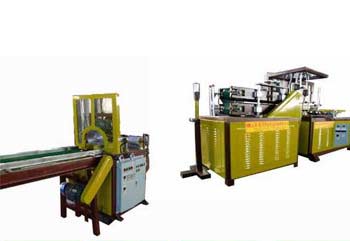
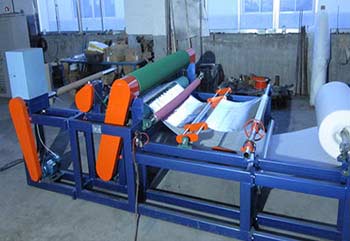
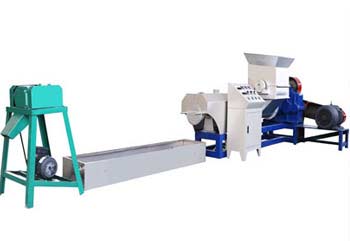
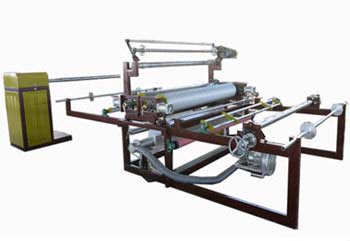
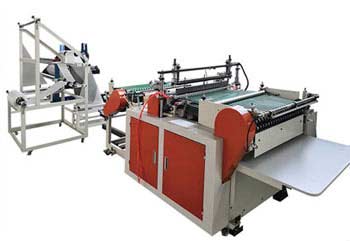
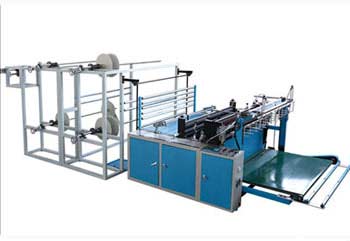
Insulation Tube Rolling Machine for XPE, IXPE, EPE and PEF Foam
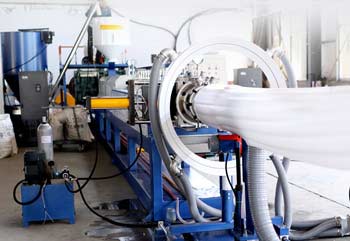
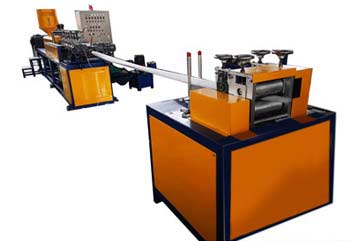
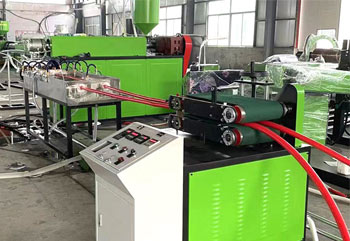
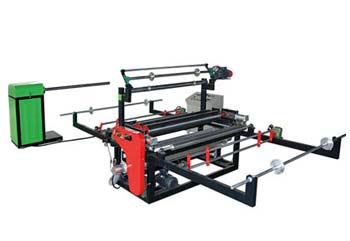
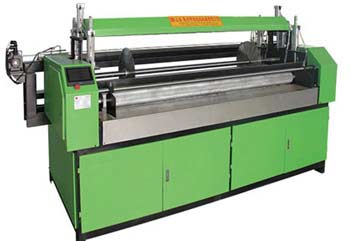
An insulation tube rolling machine(XPE tube welding machine / XPE foam pipe bonding machine) converts flat foam sheet into closed‑cell cylindrical sleeves for piping insulation. The strip is fed at a set width, wrapped around a mandrel to the target inside diameter, the longitudinal seam is softened and bonded by hot air or heated tooling, the tube is sized/cooled, then cut to the ordered length. Plants use it for HVAC line sets, domestic water pipes, underfloor‑heating loops, chilled‑water systems and industrial pipe lagging where a flexible, lightweight, non‑fibrous sleeve is preferred over pre‑extruded tube.
For sheet‑fed foam, this is the fastest way to change tube diameter without changing extrusion tooling: you adjust strip width, mandrel and seam setting rather than re‑tool an entire foaming line.
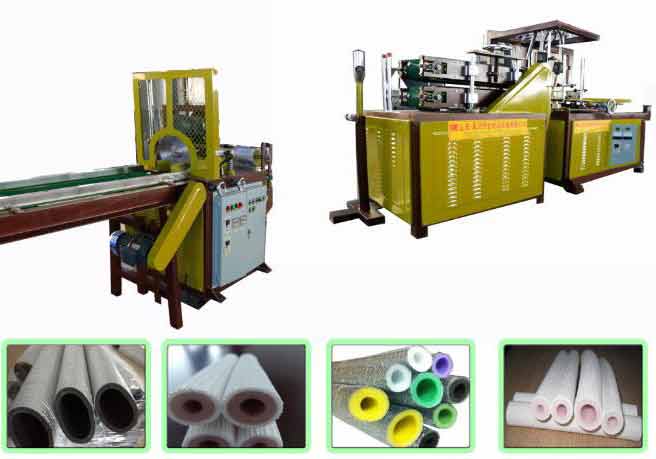
The working principle of the Insulation tube rolling machine | XPE tube welding machine / XPE foam pipe bonding machine:
1. The XPE/PEF/EPE sheet will be cut according to the required tube diameter
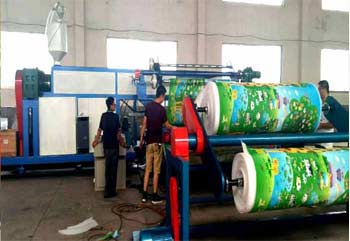
2.The cut XPE/PEF/EPE sheet will be coated with aluminum film or color film
3. And then bonded together through heat melting to form tubular packaging products.
Indicative specifications
Selection ranges only. Final mandrel size, heater capacity, traction power and cutoff type are confirmed against sample roll, foam density, finished ID/OD, wall and daily meters.
Module | Indicative range / option |
|---|---|
Foam input | XPE, IXPE, EPE, PEF; plain, film‑laminated, foil‑laminated, printed |
Finished tube ID | 40–160 mm typical sheet‑fed models; smaller/larger mandrels on request |
Wall thickness | 6–25 mm typical; other gauges by strip and compression |
Outside diameter | Determined by ID + 2×wall; sample‑based confirmation recommended |
Line speed | 8–15 m/min XPE/IXPE hot‑air reference; 0–18 m/min light EPE/PEF reference |
Seam method | Hot‑air welding, thermal‑roller bond, heated‑platen seal; adhesive option for incompatible webs |
Forming | Mandrel former, adjustable strip guide, tension frame |
Traction | Variable‑frequency belt haul‑off; upper belt pressure adjustable for tube diameter |
Cutting | Circular/round knife fixed‑length; pneumatic lift; length preset by encoder |
Control | PLC + HMI, recipe storage, alarm/logging, remote access optional |
Utility | 0.6 MPa compressed air reference for pneumatic cut/feed; electric heating per seam system; voltage by destination |
Options | Slitting unit, corona/primer for foil, printing/embossing inline, cooling sizing, auto stacking, length/diameter inspection, CE/export electrical package |
Do not publish one “standard speed” for all foams. A 6 mm wall IXPE HVAC tube at 50 mm ID runs differently from a 25 mm wall PEF chilled‑water sleeve at 160 mm ID; quote both separately.
How the line runs
Unwind and slit – Foam roll is unwound with controlled tension; pre‑slit strip width equals the developed circumference for the target ID, plus seam allowance.
Forming – The strip is guided around the mandrel; edge registration determines overlap/butt seam and final roundness.
Seam activation – Hot‑air guns or heated tools soften the mating surfaces. For XPE/IXPE, hot air at controlled temperature and airflow welds the seam; for sensitive laminates, thermal‑roller bonding or a low‑temperature adhesive system is used instead.
Sizing and cooling – The formed tube passes a calibration/sizing path so OD and roundness stabilize as the seam sets.
Haul‑off and metering – Belt traction matches line speed; encoder counts meters and sends the cutoff signal at the preset length.
Cut and off‑load – Circular knife cuts the tube; conveyor or stacking table removes finished lengths for packing.
For pre‑laminated foil/film product, add corona/primer evaluation and set roller temperature so the decorative layer is not stretched or discolored at the seam.
Typical applications
HVAC line set insulation – XPE/IXPE sleeves for refrigerant copper, 1/4″–1‑1/8″ equivalent programs, plain or printed.
Domestic hot/cold water – EPE/PEF/XPE tubes for PEX, CPVC and copper plumbing; anti‑condensation indoor runs.
Underfloor heating – Foam tube sleeves for PEX/AL‑PEX loops; pair with printed OD markers and batch length control.
Chilled water and refrigeration – Thicker‑wall closed‑cell tubes for cold lines where condensation control matters.
Industrial lagging – Large‑ID PEF/XPE sleeves for valves, pumps and temporary pipe protection.
OEM/brand retail – Film‑ or foil‑faced AC tubes with logo printing, barcode labels and fixed retail lengths.
How to specify the quotation
Ask buyers for these six inputs; it turns a vague inquiry into an engineering quote.
Foam type and density – XPE/IXPE/EPE/PEF, kg/m³, virgin/regrind ratio, sheet color and any lamination.
Tube dimensions – Required ID or OD, wall thickness, tolerance on roundness and seam.
Length program – Fixed lengths per carton, random lengths, max piece length, daily/shift meters.
Seam requirement – Adhesive‑free hot‑air weld preferred, or thermal‑roller/adhesive for laminated/foil stock. 5. Secondary features – Printing, embossing, foil facing, corona, barcode, auto stacking, third‑party thickness check.
Plant data – Voltage/frequency, compressed‑air capacity, available line length, destination port, Incoterm, certifications required.
Example: “XPE 30 kg/m³, ID 50 mm, wall 9 mm, plain white, 1.8 m and 2.0 m lengths, 10 rolls/day, hot‑air seam, 440V/60Hz, Houston” → mandrel set for 50 mm ID, slit width calculated from ID+seam allowance, hot‑air weld station, encoder cutoff, dual‑length recipe.
Example: “IXPE 25 kg/m³, ID 120 mm, wall 20 mm, aluminum‑foil one side, chilled‑water site, 3 m lengths” → wider mandrel, foil‑compatible thermal bonding or approved adhesive seam, corona/primer check, slower reference speed.
FAQ FOR Insulation tube rolling machine(XPE tube welding machine / XPE foam pipe bonding machine)
What is an insulation tube rolling machine used for?
It forms flat XPE, IXPE, EPE or PEF foam sheet into cylindrical pipe insulation. The strip is wrapped on a mandrel, the longitudinal seam is welded or thermally bonded, the tube is sized and cut to length for HVAC, plumbing, underfloor heating and chilled‑water applications.
Which foam materials can it process?
Most sheet‑fed lines handle XPE, IXPE, EPE and PEF within the machine’s thickness and width range. Plain foam can be hot‑air welded; film‑laminated, foil‑laminated or printed stock may require thermal‑roller bonding or an adhesive seam. Send a sample roll so the seam method is confirmed rather than guessed.
What tube diameters and wall thicknesses are standard?
Sheet‑fed foam roll‑and‑weld models commonly cover about 40–160 mm inside diameter and 6–25 mm wall, with other sizes available on custom mandrels. Outside diameter is ID plus twice the wall; roundness depends on mandrel calibration, seam overlap and cooling.
How fast can the machine run?
Hot‑air XPE/IXPE lines are often referenced at 8–15 m/min, while lighter EPE/PEF configurations may be quoted up to 0–18 m/min. Actual output depends on foam density, wall, ID, seam system, ambient cooling and cutoff cycle, so quote meters per shift, not just machine speed.
Does it need glue for the seam?
Compatible XPE/IXPE/EPE/PEF can be joined without liquid adhesive using hot‑air or thermal bonding. Foil‑faced, printed or low‑surface composites may need primer, corona or an approved hot‑melt/adhesive system. Specify the finished structure before promising a glue‑free seam.
Can it make both HVAC small tubes and large industrial sleeves?
Yes, with different mandrels and haul‑off settings. Small HVAC tubes need precise slit width and light seam pressure; large PEF/XPE sleeves need heavier mandrel support, slower forming and careful cooling to avoid ovality. One line can serve both if diameter changeover frequency and daily volume justify it.
What utilities and floor space are required?
Reference pneumatic lines use about 0.6 MPa for feed/cut systems; electrical load depends on heater count, haul‑off motors and options. A sheet‑fed hot‑air weld line with cutoff and conveyor can be laid out in roughly 10 m of length for compact models, but final footprint is issued after strip width, speed and stacking options are fixed.
What after‑sales do you provide for export plants?
Factory run‑off with customer foam where logistics allow, export packing, installation supervision, commissioning, PLC/HMI training, English electrical and mechanical manuals, spare‑part list, and remote troubleshooting. List only real certifications—CE/ISO or equivalent—and quote warranty, lead time and Incoterms per contract.